
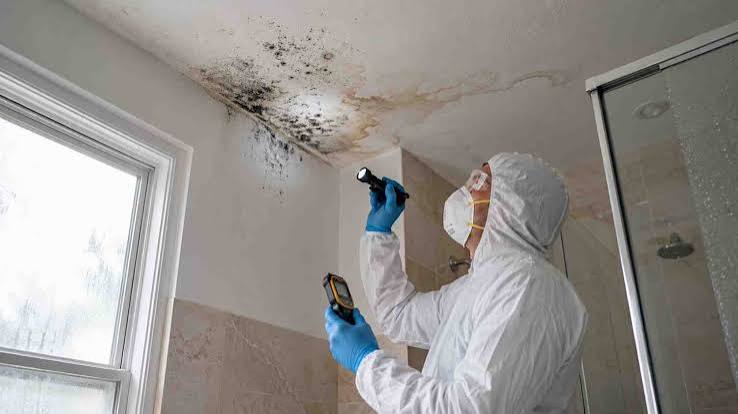
Look up the next time you shower. See those gray or black freckles creeping across the ceiling? That’s mold, and it loves bathrooms for the same reason you probably do: it’s warm and steamy.
The good news is that surface mold on a bathroom ceiling is usually something you can handle yourself. The better news is that with a few habit changes, you can stop it from returning.
Why mold shows up on the ceiling
Hot showers create steam. Steam rises, hits the cooler ceiling and turns back into moisture. If the air doesn’t circulate, that dampness lingers, and mold spores, which are always floating around, find a perfect place to settle.
The usual culprits are:
- A weak or broken exhaust fan
- No fan at all
- Long, hot showers with the door closed
- Poor insulation or a leak above the ceiling
- Paint that isn’t moisture-resistant
Is it dangerous?
Mold can irritate eyes, noses and throats, and it can trigger asthma or allergies, especially in children, older adults and people with weak immune systems. Small patches are usually manageable at home. But if the mold covers a large area (many people use about ten square feet as a rough guide), keeps returning, or you see a water stain or sagging that suggests a leak, bring in a professional.
What you’ll need
- Rubber gloves
- Safety goggles
- An N95 mask
- A spray bottle
- White vinegar or a mold-cleaning product
- A soft sponge or brush
- Clean cloths
- A stepladder
Open the window and run the fan while you work. Never mix bleach with vinegar, ammonia or other cleaners, because the fumes can be dangerous.
Step-by-step cleaning
- Protect yourself and the room. Put on gloves, goggles and a mask. Lay a towel or plastic sheet on the floor.
- Spray the area. Fill the bottle with undiluted white vinegar and spray the moldy spots. Let it sit for about an hour. Vinegar is gentle and works on many types of surface mold.
- Scrub lightly. Use a soft brush or sponge. Scrubbing too hard on a painted ceiling can strip the paint or damage drywall.
- Wipe clean. Use a damp cloth to remove residue.
- Dry thoroughly. Moisture is the enemy. Dry the area with a towel and leave the fan running.
For stubborn stains, a diluted bleach solution can help on non-porous or painted surfaces. Use it carefully, with good ventilation, and never mix it with other products.
Don’t just clean. Fix the cause
If you only wipe the mold away, it’ll probably come back within weeks. Fix the moisture problem:
- Run the fan during showers and for 20 to 30 minutes afterward. If you don’t have a fan, consider installing one. A properly vented fan is one of the best investments for a bathroom.
- Check where the fan vents. It should send air outside, not just into the attic.
- Keep the door open after showering to let humid air escape.
- Wipe down wet surfaces if you have time.
- Fix leaks quickly. A drip from the roof or a pipe above can keep a ceiling wet.
Repaint the right way
Once the ceiling is clean and fully dry, repaint with a mold- and mildew-resistant bathroom paint. Prime stained areas first so stains don’t bleed through. Look for products labeled for high-moisture rooms.
When to call a pro
Call a professional if:
- The mold is widespread or keeps returning
- The ceiling feels soft, bulges or discolors in a ring
- You smell a persistent musty odor with no visible source
- Someone in the home has serious respiratory issues
In rented homes, tell your landlord in writing. In many places, landlords are responsible for repairing conditions that cause mold, especially if it’s from leaks or poor ventilation.
A simple routine
Here’s a low-effort habit that works: shower, leave the fan on, squeegee the walls, and crack the door. Once a month, glance at the ceiling corners. Catching tiny spots early means a quick wipe instead of a weekend project.
Final word
Bathroom ceiling mold is common, annoying and very fixable. Clean it safely, find the moisture source, and give your bathroom a way to breathe. Your ceiling, and your lungs, will thank you.