
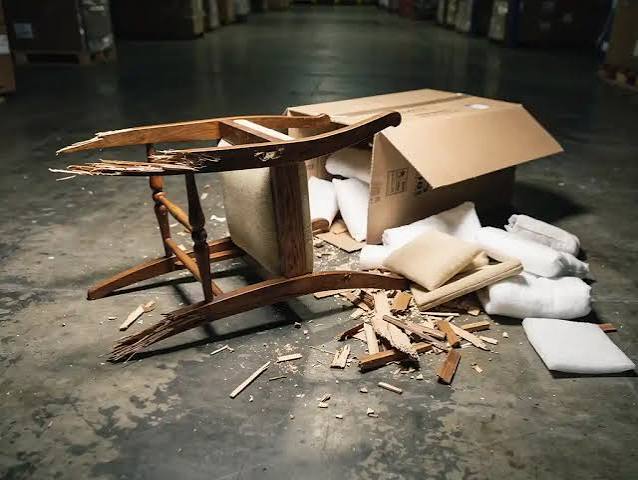
You waited six weeks for that sofa. The delivery crew finally hauls it into your living room, and there it is: a gash along the arm, a bent leg and a smell that suggests it spent a few days in a damp warehouse. The excitement drains out of the room instantly.
If this is happening to you, take a breath. Damaged deliveries are more common than people think, and you have more options than you might realize. What matters most is what you do in the first hour.
Step 1: Inspect before the crew leaves
It’s tempting to sign the delivery slip and send everyone on their way. Resist that urge. If you can, unwrap and inspect the furniture while the delivery team is still there. Check every side, including the back and underneath. Test drawers, doors, cushions and legs.
If you can’t unwrap everything, at least note on the delivery receipt, “Signed subject to inspection. Damage may be hidden by packaging.” That sentence can protect you later.
Step 2: Document everything
Before you call anyone, collect your evidence:
- Take clear photos of the damage from several angles
- Photograph the packaging, especially tears, dents or water stains
- Record a short video showing the whole piece and the problem
- Save the order confirmation, receipt, delivery slip and any emails
- Keep all packaging until the issue is resolved
Timestamped photos and videos are among the strongest proof you can have.
Step 3: Contact the seller quickly
Reach out right away, ideally the same day. Most retailers have time limits for reporting damage, often 24 to 72 hours for delivery damage, although it varies. Use a method that creates a written record, such as email or a customer portal, and keep copies of everything.
A clear message might say: “My order number is 12345. The sofa was delivered on Friday and has a deep tear on the left arm and a bent front leg. Photos attached. I’d like a replacement or a full refund. Please let me know the next steps.”
Stay calm and polite. Customer service agents are more likely to help someone who is firm but friendly.
Know who’s responsible
Responsibility can depend on who delivered and who owned the goods during transit. Generally, if the seller arranged delivery, they’re responsible for getting the item to you in good condition. If a third-party carrier damaged it, the retailer still usually handles the claim. Ask who is filing the claim with the carrier so you aren’t left in the middle.
Understand your options
You may be offered a few remedies:
- Replacement. A new item shipped to you.
- Repair. A technician comes to fix the damage, which can be fine for small issues.
- Partial refund. A discount if you’re willing to keep it. Think carefully before accepting this, because it may limit future claims.
- Full refund. The best option if the damage is serious or you’ve lost trust.
You’re not obligated to accept a repair if the item has major flaws. Consumer protection laws in many places give you the right to receive goods that are as described and free from significant defects.
Check the return policy and warranty
Look for terms on damaged or defective goods, restocking fees, return shipping costs and time limits. A fee for returning an item that arrived damaged generally shouldn’t apply, since the error isn’t yours. If the policy is unclear, ask for it in writing.
Paying by credit card? You have another lever
If the seller refuses to help, you may be able to dispute the charge with your credit card company. Provide your evidence and records of your attempts to resolve things. Card issuers often side with consumers when there’s clear documentation.
Escalate if needed
If you’re stuck, you can:
- Ask for a manager or escalation team.
- Send a formal complaint letter summarizing the problem and your requested resolution, with a deadline.
- File a complaint with your local consumer protection agency or a consumer review group.
- Consider small claims court for larger amounts. It’s designed for individuals without lawyers.
Avoid these common mistakes
- Throwing away packaging too early
- Assembling or using damaged furniture before reporting it, which can complicate a claim
- Waiting too long to contact the seller
- Relying only on phone calls with no written follow-up
Before you buy next time
Read reviews that mention delivery, ask about white-glove service, and check the return policy before paying. If the item is expensive, paying with a credit card adds protection.
Final thoughts
A damaged delivery is frustrating, but it’s usually fixable. Inspect, document, report fast and keep everything in writing. You deserve furniture that arrives the way it looked online.