
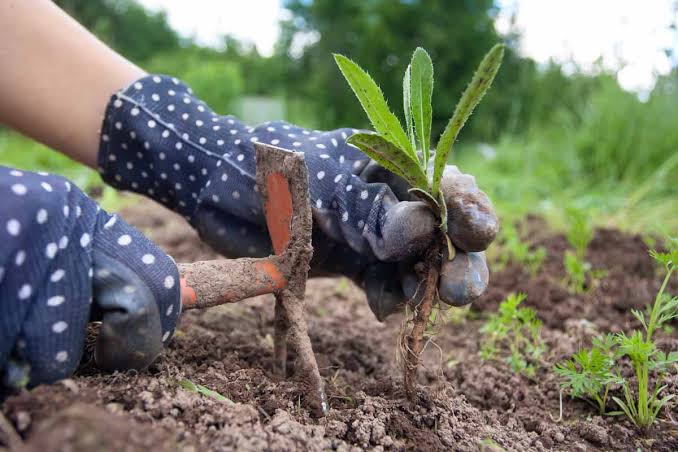
Weeds have a talent for showing up the moment you stop paying attention. You tidy the flower bed on Saturday, and by Wednesday there’s a fresh green army along the edges. If you’d rather not reach for strong chemical products, especially around kids, pets or vegetable gardens, there are plenty of effective natural options.
Here’s a practical approach that combines prevention and removal.
Understand your enemy
Weeds are plants that grow where you don’t want them. They come in two broad types:
- Annual weeds like crabgrass live for one season and spread by seed.
- Perennial weeds like dandelions and bindweed come back year after year from roots.
Annuals are easier to control by stopping seeds. Perennials need their roots dealt with.
Method 1: Hand-pull at the right time
It may feel old-fashioned, but pulling weeds works. The trick is timing. Pull after rain or watering, when the soil is soft and roots slide out more easily. Grip the weed close to the base and pull slowly to get the whole root. For taproots like dandelions, a weeding tool helps you lever the root out.
Pull weeds before they flower and set seed. One mature weed can release thousands of seeds.
Method 2: Mulch, mulch, mulch
Mulch is the single best natural weed prevention. It blocks sunlight, so seeds can’t sprout, and keeps the soil moist. Spread two to three inches of wood chips, shredded bark, straw or leaves over bare soil. Keep mulch a few inches away from plant stems and tree trunks to prevent rot.
For tough areas, place cardboard or several layers of newspaper first, then cover with mulch. This smothers existing weeds over a few months.
Method 3: Boiling water
For weeds growing in sidewalk cracks, driveways or gravel, pour boiling water directly on them. It’s cheap, quick and chemical-free. Be careful to avoid splashing yourself and keep it away from plants you want to keep, since it will damage them too.
Method 4: Vinegar solution
Household white vinegar can burn the leaves of young weeds. Horticultural vinegar is stronger and works faster, but it’s also more hazardous, so wear gloves and eye protection. A simple recipe:
- 1 gallon white vinegar
- 1 tablespoon dish soap to help it stick
Spray on a sunny, calm day directly on the weed leaves. Vinegar kills the top growth but often doesn’t kill deep roots, so perennials may regrow. It can also affect soil and nearby plants, so apply carefully and avoid using it near plants you care about.
Method 5: Salt (use with extreme caution)
Salt can kill weeds, but it also makes soil infertile for a long time and can wash into other areas. It’s best limited to places where you never want anything to grow, such as between patio stones, and away from garden beds and trees.
Method 6: Corn gluten meal
This natural product acts as a pre-emergent, which means it stops weed seeds from sprouting. It works best in lawns and beds when applied in early spring. It won’t kill existing weeds, and it can also prevent desirable seeds from germinating, so don’t use it where you’ve just sown seeds.
Method 7: Crowd them out
Healthy, thick plants leave little room for weeds. Plant ground covers like clover, creeping thyme or sedum in bare spots. In lawns, mow higher, around three inches, which shades the soil and weakens weeds. Overseed thin areas in autumn.
Method 8: Smother with solarization
For a large weedy area, cover the soil with clear plastic during hot summer months. The sun heats the soil and kills weeds and seeds underneath after several weeks. It takes patience, but it’s effective.
Build a simple routine
- Spend ten minutes a few times a week pulling new weeds
- Refresh mulch each year
- Water deeply at the base of plants rather than spraying everywhere
- Don’t leave soil bare
A note on neighbors and local rules
In some areas, allowing invasive or noxious weeds to spread can violate local ordinances. If your property borders a neighbor, keeping weeds under control helps avoid disputes.
Final thoughts
Natural weed control isn’t about one magic spray. It’s a combination of good habits: pull early, mulch well, plant densely and stay consistent. Over time, you’ll spend less time fighting weeds and more time enjoying your garden.