
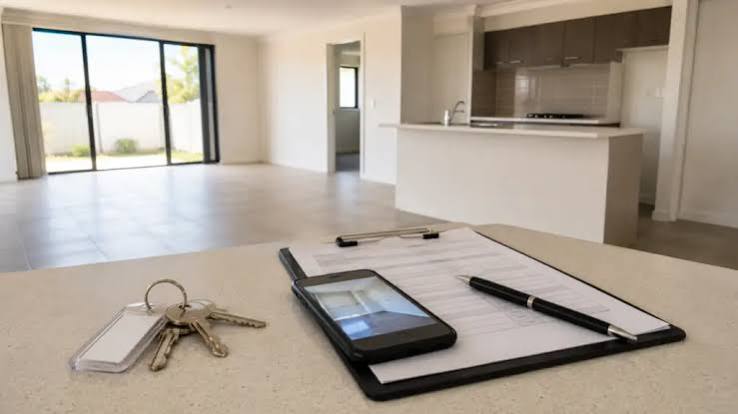
Signing a lease can feel like crossing the finish line. You’ve toured a dozen places, filled out the application, and finally found one with decent light and a landlord who seems nice. The temptation is to sign quickly before someone else grabs it.
Slow down. A lease is a binding contract that may control a year or more of your life and thousands of dollars. Ten extra minutes now can prevent months of headaches.
Read the whole thing, really
It sounds obvious, but many people skim. Read every page, including the small print. If something is confusing, ask the landlord to explain it and get the answer in writing. Verbal promises like “oh, we always let people have cats” mean very little if the lease says no pets.
The basics to confirm
Start with the simple stuff and make sure it matches what you were told:
- Names and addresses. Your name, the landlord’s name and the exact unit number.
- Lease term. Start date, end date and whether it’s fixed-term or month-to-month.
- Rent amount and due date. Also how you pay and where.
- Security deposit. The amount, where it’s held and the conditions for its return.
Typos matter. A wrong date or unit number can cause real confusion later.
Hunt for hidden fees
Rent is rarely the only cost. Look for charges such as:
- Application and administrative fees
- Pet rent or pet deposits
- Parking fees
- Amenity or package fees
- Late fees, and when they start
- Trash, water or pest control charges
Add these up. An apartment that looks $100 cheaper per month may cost more once fees are included.
Check the rules on increases and renewal
Ask what happens when the lease ends. Does it automatically become month-to-month? Does it renew for another year? How much notice is needed to leave? Some leases contain automatic renewal clauses that trap people who forget to give notice.
Also find out whether rent can go up during the lease term. In a fixed-term lease, it usually can’t, but some contracts include escalation clauses.
Understand repairs and maintenance
Who fixes what, and how fast? A good lease explains how to request repairs and who handles things like pests, appliances and heating. Remember that in most places, landlords have a legal duty to keep a home habitable, and a lease can’t waive that.
Watch for restrictions
It’s easy to overlook rules that affect daily life, such as:
- Guests and how long they can stay
- Subletting and roommates
- Pets and breed restrictions
- Smoking, including balconies
- Quiet hours
- Painting or decorating
If you work from home, ask whether business use is allowed.
Know the exit costs
Life changes. A job moves, a relationship ends, or you just need out. Check the early termination clause. Some leases require you to pay the rest of the rent, while others offer a buyout of one or two months. In many places, landlords must try to re-rent the unit instead of charging you for the entire term.
Inspect the unit before you sign
Don’t rely on a staged tour. Visit at different times if you can. Run the faucets, flush the toilets, test outlets, open windows, and check for signs of mold, leaks or pests. Take photos and ask the landlord to note any problems in writing.
Red flags that should make you pause
- Pressure to sign immediately
- Refusal to put promises in writing
- A landlord who avoids questions
- Cash-only payments with no receipts
- Clauses that waive your legal rights
If your gut says something feels off, trust it.
Get your own copy
Once signed, keep a full copy of the lease and any addendums. Store it somewhere you can find it easily, such as a digital folder.
Final thought
A lease isn’t just paperwork. It’s the rulebook for your next stretch of home life. Take your time, ask questions, and don’t be afraid to negotiate. A good landlord won’t mind a careful tenant.