
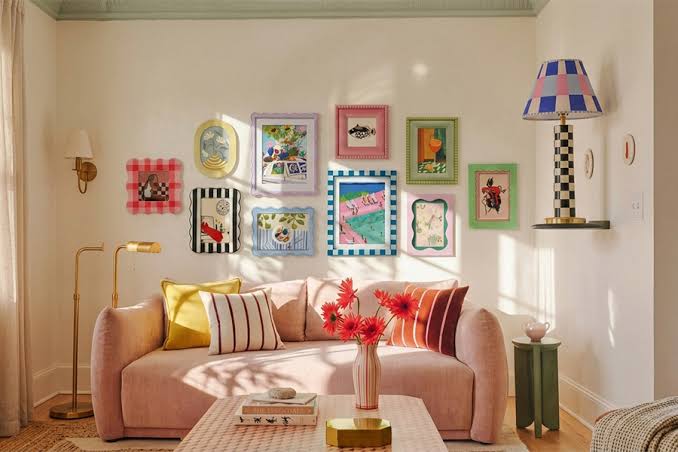
Every so often, you look around your living room and feel a little flat. The sofa is fine, the walls are fine, but the room doesn’t make you feel anything. You don’t need a full renovation or a giant budget to change that. A few smart, inexpensive moves can make a room feel brand new.
Here’s how to refresh your living room for around $200, and which changes give you the biggest return.
Step 1: Declutter first (cost: $0)
Before buying anything, clear the surfaces. Remove items that don’t belong, like random papers, old magazines and tired knick-knacks. Group the things you love and put away the rest. A decluttered room looks larger, calmer and more expensive, and it costs nothing.
Try rearranging the furniture too. Pulling a sofa a few inches off the wall or angling a chair can change the entire feel of the room.
Step 2: Rethink your lighting (about $30 to $50)
Lighting is the most underrated part of decor. Harsh overhead lights make a room feel cold. Add a floor lamp or a table lamp with a warm bulb, and aim for light at different heights. A simple fabric lampshade softens the glow. If you can, use dimmable bulbs for evenings.
A small string of warm lights behind a plant or along a shelf adds instant coziness for just a few dollars.
Step 3: Swap your pillows and throws (about $40)
This is the easiest way to change a room’s colors and mood. Replace old cushion covers rather than whole pillows, since covers are cheaper. Pick two or three colors that already appear in the room, and include a mix of textures like linen, velvet or chunky knit.
Add a soft throw blanket over the arm of the sofa. It adds warmth and a lived-in feel.
Step 4: Add a rug if you don’t have one (about $50 to $80)
A rug anchors the seating area and adds comfort. Look for deals at discount home stores or online outlets, and buy the largest size you can afford. A rug that’s too small makes the room feel disjointed. Ideally, at least the front legs of your sofa and chairs should sit on it.
If you already have a rug, deep clean it. A fresh-looking rug can change everything.
Step 5: Bring in plants (about $15 to $30)
Plants add life, color and freshness. Even a couple of easy options like a pothos, snake plant or peace lily make a difference. Put them in simple pots, and vary the heights by placing one on the floor and one on a shelf.
If you have a black thumb, high-quality faux plants can still look good. Dust them occasionally.
Step 6: Create a focal point with art (about $20 to $40)
Empty walls make a room feel unfinished. You don’t have to spend a lot. Print free or low-cost digital art and put it in thrifted frames. Try a gallery wall mixing photographs, prints and small mirrors. Hang pieces at eye level, roughly 57 inches from the floor to the center.
A large mirror is also a good investment, since it bounces light and makes the room feel bigger.
Step 7: Paint something (about $20 to $40)
You don’t need to repaint every wall. Try an accent wall, a bookshelf interior, a door or an old side table. A small can of paint goes a long way. Choose colors that feel calm and harmonious with your palette.
If you rent, check with your landlord first, or use peel-and-stick options instead.
Step 8: Shop secondhand
Thrift stores, online marketplaces and garage sales are full of treasures such as lamps, side tables, vases and frames. A bit of paint or new hardware can make an old piece feel new. Secondhand shopping is cheaper and more sustainable.
A sample $200 plan
- Lamp and warm bulbs: $40
- Pillow covers and throw: $40
- Medium rug: $60
- Plants and pots: $25
- Frames and prints: $25
- Small can of paint: $10
That comes to about $200, and the effect can be dramatic.
Don’t forget the details
Little things matter: fresh flowers, a scented candle, a tray on the coffee table, a stack of books. These finishing touches make a room feel cared for.
Final thoughts
A living room refresh isn’t about spending more. It’s about being thoughtful with lighting, textiles, plants and layout. Start with one or two changes, see how they feel, and build from there.