
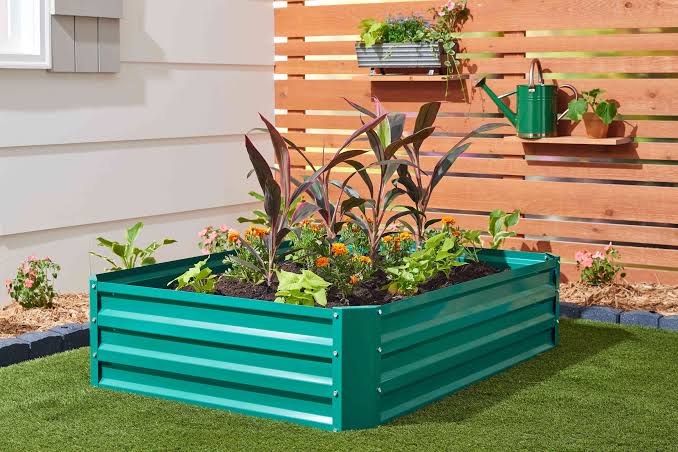
There’s something quietly magical about picking a tomato you grew yourself. It tastes like summer, and it makes you feel a little bit proud. If you’ve always wanted to start a vegetable garden but felt overwhelmed by poor soil, aching knees or a tiny yard, a raised bed might be exactly what you need.
Raised beds are beginner-friendly, tidy and surprisingly productive. Here’s how to get started without second-guessing every step.
Why choose a raised bed?
Raised beds solve several common problems at once:
-
- Better soil. You fill the bed with quality soil, so you don’t have to fight rocky, clay-heavy or sandy ground.
- Better drainage. Water drains more easily, which helps roots stay healthy.
- Fewer weeds. With a contained space and good mulch, weeds are much easier to manage.
- Easier on your body. Taller beds mean less bending.
- Longer growing season. Soil in raised beds warms earlier in spring.
Pick the right spot
Most vegetables want six to eight hours of direct sun each day. Watch your yard for a day and note which areas get the most light. Choose a flat spot near a water source, since a bed you can easily reach with a hose is a bed you’ll actually water. Avoid areas where water pools after rain, and stay clear of large tree roots.
Before digging or building, call your local utility locator service if you plan to put in stakes or dig deep. In many places it’s free.
Choose a size
A good beginner size is about 4 feet wide and 8 feet long. Four feet wide means you can reach the center from either side without stepping into the soil, which keeps it loose. Height can range from 6 to 12 inches for most vegetables, or taller if you want easier access or have poor ground beneath.
Pick your materials
-
- Untreated cedar or redwood. Naturally rot-resistant and long-lasting, though more expensive.
- Pine or fir. Cheaper, but may rot sooner.
- Galvanized metal. Durable and modern-looking, and it can heat up in very hot climates.
- Concrete blocks or bricks. Sturdy and permanent.
Avoid old railroad ties and pressure-treated wood made before the early 2000s, as they may contain chemicals you don’t want near edible plants. When in doubt, choose untreated wood or a food-safe option.
Build it in five easy steps
-
- Cut or buy your boards. Many hardware stores will cut lumber to size.
- Assemble the frame. Screw the corners together with exterior-grade screws, and add a corner post for strength if you like.
- Level the ground. Remove grass and weeds, and level the area.
- Lay cardboard. Place plain, unprinted cardboard on the bottom to smother weeds. It will break down over time.
- Set the frame in place and check that it’s level.
Fill it with the right soil
Soil is the most important part. A popular and reliable mix is roughly:
-
- 60 percent quality topsoil
- 30 percent compost
- 10 percent aeration material such as perlite or coarse vermiculite
Many garden centers sell raised-bed mixes. Buying soil by the bulk yard is often cheaper than bagged soil for larger beds. Fill the bed to a couple of inches below the rim and water thoroughly so the soil settles.
What to plant first
Beginners do best with forgiving plants:
-
- Lettuce and spinach
- Radishes
- Green beans
- Zucchini
- Cherry tomatoes
- Herbs such as basil, parsley and chives
- Marigolds, which attract pollinators and may help deter some pests
Check your local planting calendar so you sow at the right time of year. Seed packets list spacing, which you should follow to avoid overcrowding.
Watering and care
Water deeply but less often, rather than a little every day. Aim for about an inch per week, adjusting for heat and rain. A layer of mulch, like straw or shredded leaves, keeps moisture in and weeds out. Drip irrigation or a soaker hose can save time and water.
Each season, top up with compost to feed the soil. Rotate crops from year to year if you can, so you don’t deplete the same nutrients.
Common beginner mistakes
-
- Putting the bed in too much shade
- Overcrowding plants
- Using poor-quality soil to save money
- Overwatering
- Planting too much at once
Start small. A single 4-by-8 bed is plenty to learn from.
A note on rules
If you live in a rented home or an HOA community, check whether raised beds, structures or visible vegetable gardens are allowed before you build.
Final thoughts
A raised bed is one of the easiest ways to begin gardening. Pick a sunny spot, fill it with good soil and plant something simple. A few weeks from now, you’ll be checking your garden every morning and wondering why you waited so long.