
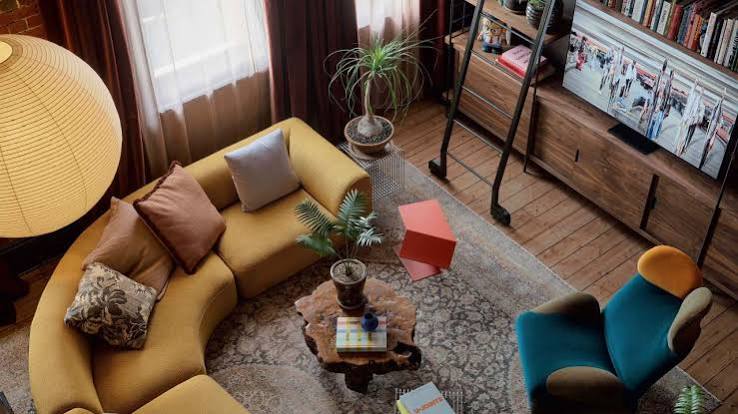
If you’ve scrolled through home inspiration online, you’ve probably seen labels like “Scandinavian,” “mid-century modern,” “boho” and “farmhouse,” and wondered which one you actually like. Many people are drawn to a bit of everything, which makes decorating feel confusing.
Understanding the major styles gives you a vocabulary, and it helps you make choices with confidence. You don’t have to follow one style strictly. Think of these as starting points.
Modern
Modern design is clean, simple and uncluttered. Think straight lines, neutral colors, open spaces and minimal decoration. Materials like glass, metal and leather are common. Modern rooms feel sleek and intentional.
You might love it if: you like order, simplicity and a calm look.
Contemporary
Often confused with modern, contemporary refers to what’s current. It changes with trends and mixes curves, bold accents and fresh materials. It’s flexible and tends to feel polished and light.
You might love it if: you like staying up to date and don’t want to be locked into one era.
Minimalist
Minimalism strips things down to the essentials. Furniture is simple, colors are neutral and surfaces are clear. Every item has a purpose. The result is peaceful and spacious.
You might love it if: clutter stresses you out and you prefer fewer, better things.
Scandinavian
Scandinavian style combines minimalism with warmth. Expect light woods, white walls, cozy textiles, soft lighting and functional furniture. It emphasizes comfort and natural light, which is especially important in places with long, dark winters.
You might love it if: you want bright, cozy and practical.
Mid-century modern
Inspired by the 1950s and 60s, this style features tapered legs, warm wood, organic shapes and pops of color like mustard and teal. It’s playful yet refined.
You might love it if: you like retro charm and iconic furniture silhouettes.
Industrial
Industrial design draws from warehouses and factories: exposed brick, metal, concrete and raw wood. Colors tend to be dark and neutral, with a rugged, urban feel.
You might love it if: you like edgy, loft-style spaces with character.
Farmhouse
Farmhouse blends rustic charm with comfort. Think shiplap, reclaimed wood, vintage accents, neutral colors and cozy, welcoming spaces. Modern farmhouse is cleaner and more streamlined.
You might love it if: you want a warm, homey and traditional vibe.
Traditional
Traditional style is classic and elegant, with rich woods, symmetrical layouts, ornate details and refined fabrics. It’s inspired by 18th and 19th century European design.
You might love it if: you enjoy timeless, formal and detailed spaces.
Bohemian (Boho)
Boho is free-spirited and eclectic. Layered rugs, bold patterns, plants, global textiles and handmade items create a relaxed, collected look.
You might love it if: you love color, texture and personal stories in your decor.
Coastal
Coastal style brings the beach home with soft blues, whites, sandy neutrals, natural fibers and airy fabrics. It feels breezy and relaxing.
You might love it if: you want a fresh, light and calming home.
Transitional
Transitional blends traditional and contemporary. It keeps classic shapes but uses calmer colors and simpler details. It’s a popular middle ground.
You might love it if: you like both classic and modern and want something balanced.
How to find your style
- Collect inspiration. Save images of rooms you love, on a board or in a folder.
- Look for patterns. Notice colors, materials, shapes and moods that repeat.
- Think about how you live. A beautiful style should also work for kids, pets and daily habits.
- Visit stores or showrooms. See and touch materials in person.
- Start small. Try a few accessories before committing to major pieces.
It’s okay to mix
Most real homes blend styles. A modern sofa with a vintage rug and a rustic table can feel personal and interesting. Keep a consistent color palette and a few repeating materials to tie things together.
Consider your home’s architecture
Your space itself offers clues. A modern apartment with big windows might suit minimalist or Scandinavian decor. A 1920s cottage might pair beautifully with traditional or transitional touches. Work with your home, not against it.
Final thoughts
Design styles are guides, not rules. Spend time noticing what makes you feel at home, and build your space around that feeling. When a room reflects who you are, it never goes out of style.